
Your cart is currently empty.
Skip to product information
 Open media 0 in gallery view
 Open media 0 in gallery view
sale off
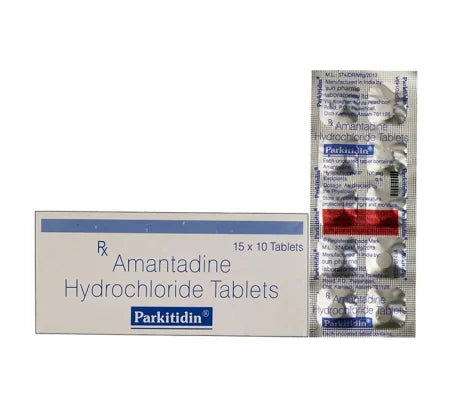
Parkitidin – Buy Online
Sale price
$34.00
90% Off
Regular price
$34.00
What is Parkitidin? Parkitidin is a prescription medication that contains Amantadine as its active ingredient. It is primarily used in the management of symptoms associated with Parkinson’s disease and certain
Rx – Prescription Required
Description
Reviews
Description
- Description
- Additional info
- Reviews
-
Improve motor function
-
Reduce muscle stiffness
-
Support better movement coordination
-
Help decrease tremors
-
Improve daily physical activities
-
Enhance overall mobility
-
Assist in managing medication-induced movement disorders
-
Age
-
Body weight
-
Kidney function
-
Medical history
-
Severity of symptoms
-
Other medications being used
-
Dry mouth
-
Dizziness
-
Nausea
-
Constipation
-
Difficulty sleeping
-
Mild headache
-
Loss of appetite
-
Blurred vision
-
Nervousness
-
Swelling of the ankles
-
Difficulty concentrating
-
Increased sensitivity to light
-
Severe confusion
-
Hallucinations
-
Irregular heartbeat
-
Difficulty breathing
-
Severe allergic reactions
-
Significant mood or behavioral changes
-
Kidney disease
-
Heart conditions
-
Seizure disorders
-
Mental health disorders
-
Glaucoma
-
Liver disease
-
Anticholinergic medications
-
Central nervous system stimulants
-
Certain psychiatric medications
-
Other Parkinson’s disease treatments
-
Medicines that affect heart rhythm
-
Keep at room temperature
-
Protect from excessive heat and moisture
-
Store away from direct sunlight
-
Keep out of reach of children
-
Retain in original packaging whenever possible
-
Have a known allergy to Amantadine
-
Have severe kidney impairment without medical supervision
-
Have experienced serious reactions to similar medications in the past
What is Parkitidin?
Parkitidin is a prescription medication that contains Amantadine as its active ingredient. It is primarily used in the management of symptoms associated with Parkinson’s disease and certain movement disorders. In some clinical situations, healthcare professionals may also prescribe it for other approved therapeutic purposes based on a patient's medical needs.
Parkitidin works by influencing specific chemical messengers in the brain that play a role in controlling movement and muscle coordination. By helping regulate these neurological pathways, the medication may contribute to improved motor function and reduced movement-related symptoms in eligible patients.
Active Ingredient
Generic Name: Amantadine
Drug Class: Antiparkinsonian Agent / Antiviral Derivative
Dosage Form: Oral Capsule or Tablet
Administration Route: Oral
How Parkitidin Works
The exact mechanism of Amantadine is complex and not completely understood. However, researchers believe it helps increase dopamine activity in the brain while also affecting other neurotransmitter systems involved in motor control.
Dopamine is a chemical messenger that plays a crucial role in coordinating body movements. In conditions such as Parkinson’s disease, dopamine levels may be reduced, leading to symptoms like tremors, muscle stiffness, and difficulty with movement. By enhancing dopamine-related activity, Parkitidin may help improve these symptoms and support better physical functioning.
Therapeutic Uses of Parkitidin
Management of Parkinson’s Disease
Parkitidin is commonly prescribed to help manage symptoms associated with Parkinson’s disease, including tremors, rigidity, and slowed movement.
Drug-Induced Movement Disorders
Certain medications, particularly some antipsychotic drugs, can cause movement-related side effects. Parkitidin may be used in specific cases to help reduce these symptoms under medical supervision.
Supportive Neurological Treatment
Healthcare providers may sometimes recommend Parkitidin as part of a broader treatment plan for neurological conditions where improved motor control is needed.
Key Characteristics of Parkitidin
Dopamine-Modulating Action
The medication helps influence dopamine activity, which is essential for smooth and coordinated muscle movement.
Oral Administration
Parkitidin is taken by mouth, making it a convenient treatment option when prescribed by a healthcare professional.
Long Clinical History
Amantadine has been used in clinical practice for several decades and remains an important treatment option for selected neurological conditions.
Individualized Treatment Approach
Dosage and treatment duration are determined according to the patient's age, medical condition, symptom severity, and response to therapy.
Potential Benefits of Parkitidin
When prescribed appropriately, Parkitidin may help:
Individual results may vary depending on the underlying condition and overall health status.
How to Take Parkitidin
Parkitidin should be taken exactly as directed by a healthcare provider.
The medication is generally swallowed whole with water and may be taken with or without food, depending on medical advice. Taking it at the same time each day may help maintain consistent levels of the medicine in the body.
Patients should not alter the prescribed dose or discontinue treatment without consulting their healthcare provider, as sudden changes may affect symptom control.
Dosage Considerations
The appropriate dosage of Parkitidin depends on several factors, including:
Because dosage requirements vary significantly among individuals, treatment should always be personalized and monitored by a qualified healthcare professional.
Possible Side Effects
Like all prescription medications, Parkitidin may cause side effects in some individuals. Many reactions are mild and temporary, while others may require medical attention.
Common Side Effects
Less Common Side Effects
Serious Side Effects
Seek immediate medical attention if any of the following occur:
Precautions and Warnings
Before starting Parkitidin, patients should inform their healthcare provider about any existing medical conditions.
Special caution may be necessary in individuals with:
Regular medical monitoring may be recommended during treatment to evaluate effectiveness and safety.
Drug Interactions
Parkitidin may interact with other medications, potentially affecting treatment outcomes or increasing the risk of side effects.
Examples include:
Patients should provide a complete list of prescription drugs, over-the-counter medicines, and dietary supplements to their healthcare provider before beginning treatment.
Use in Special Populations
Older Adults
Older individuals may be more sensitive to certain side effects of Parkitidin and may require careful dose adjustments.
Patients with Kidney Impairment
Because Amantadine is primarily eliminated through the kidneys, dosage modifications may be necessary in patients with reduced kidney function.
Pregnancy and Breastfeeding
The use of Parkitidin during pregnancy or breastfeeding should only occur when specifically recommended by a healthcare provider after evaluating potential risks and benefits.
Storage Instructions
Store Parkitidin according to the instructions provided on the product label.
General recommendations include:
Who Should Not Use Parkitidin?
Parkitidin may not be suitable for everyone. Individuals should avoid using the medication unless advised by a healthcare professional if they:
A healthcare provider can determine whether Parkitidin is appropriate based on an individual's medical history and current health condition.
Important Information About Parkitidin
Parkitidin is a prescription medication used in the management of Parkinson’s disease and certain movement-related disorders. Its active ingredient, Amantadine, works by influencing neurological pathways involved in movement control. Appropriate use requires medical supervision, individualized dosing, and regular monitoring to ensure treatment effectiveness and patient safety.
Understanding how Parkitidin works, its potential benefits, possible side effects, and necessary precautions can help patients make informed decisions about their treatment while following professional medical guidance.
Stay home & get your daily
needs from our shop
Start You'r Daily Shopping with Medsprimehub